



7 Things to Know Before Your Child Starts Preschool
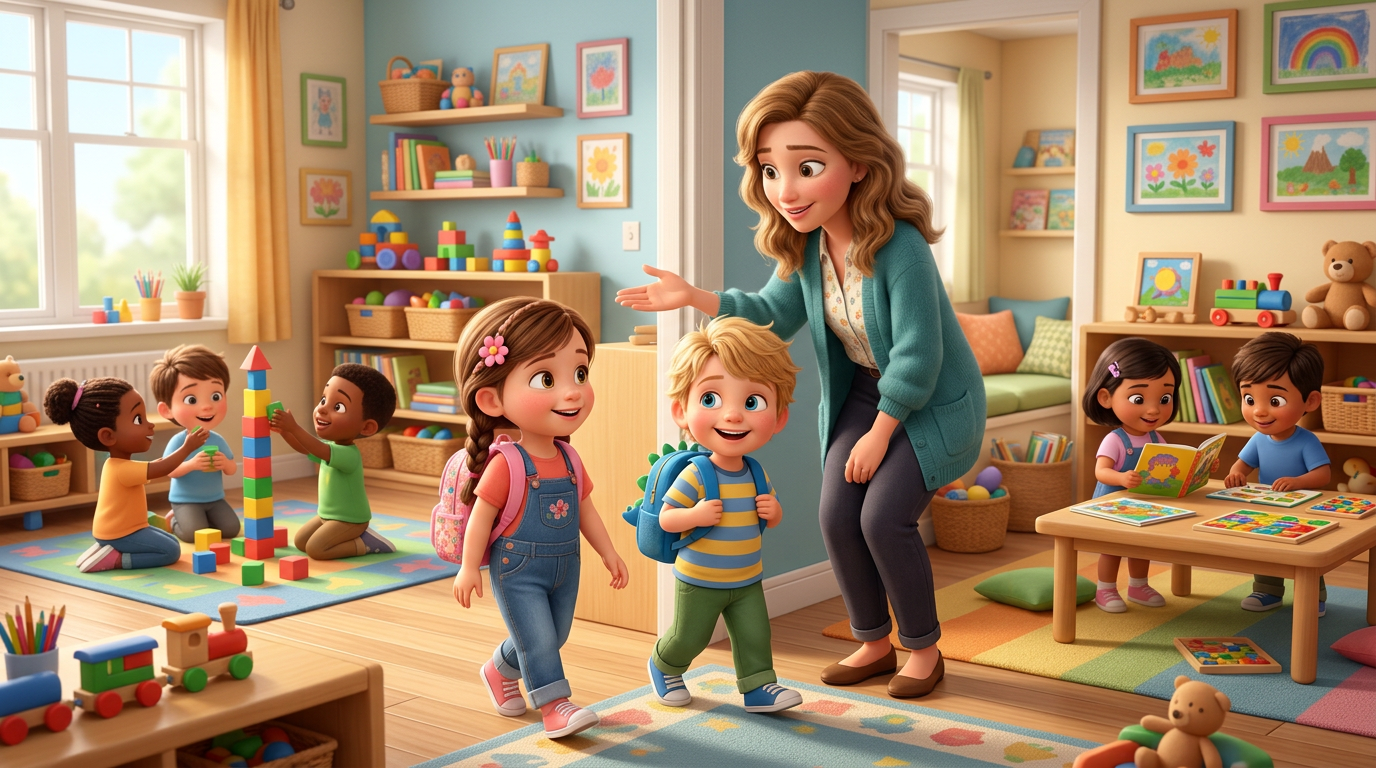
Starting preschool is an important transition in a child’s life. A new classroom, teacher, friends and spending time away from family can feel exciting for some children and challenging for others.
Children do not all adjust to a new environment at the same pace. Some may enter the classroom comfortably from the first few days, while others may need more time to observe the environment, get to know the teacher and begin feeling secure.
Rather than comparing your child with other children, focus on their individual needs and progress.
1. Talk About Preschool in a Calm and Positive Way
The way adults talk about preschool can shape a child’s expectations.
Avoid using school as a threat, such as:
“If you misbehave, your teacher will be angry.”
Instead, use calm and realistic language:
“You’ll see new games at school.”
“You’ll spend time with your teacher and other children.”
“The first day may feel different, but you’ll gradually get to know the place.”
Answer questions honestly and in age-appropriate language.
Rather than promising that your child will never feel nervous, explain that there will be adults available to help if something feels difficult.
2. Prepare a Predictable Daily Routine
Before preschool begins, you can gradually adjust sleep, wake-up, breakfast and preparation times.
Preparing clothes and the school bag the evening before may also make mornings less rushed.
A simple routine might include:
- Wake up
- Bathroom and washing
- Get dressed
- Eat breakfast
- Brush teeth
- Pick up the school bag
- Leave for preschool
Consistent and predictable routines can help young children understand what to expect. CDC parenting guidance notes that routines and simple rules can give children greater predictability in daily life. Hastalık Kontrol ve Önleme Merkezleri
3. Keep Goodbyes Short and Consistent
Some children may not want to separate from a parent at drop-off.
Crying, hugging or asking a parent to stay can occur during a new transition.
Rather than leaving without saying goodbye, use a brief and clear routine:
“I love you. You’ll go into the classroom with your teacher now. I’ll come back after lunch.”
Try to keep the routine consistent and follow through on your promise to return.
AAP guidance recommends short goodbye rituals, consistency and describing return times in ways young children can understand. HealthyChildren.org
4. Avoid Comparing Your Child With Other Children
Children can adjust to new environments very differently.
One child may immediately join a group, while another may spend several days observing the classroom first.
Try to avoid statements such as:
“Look, your friend isn’t crying.”
“Why can’t you behave like them?”
Instead, focus on your child’s own progress:
“You walked into the classroom more comfortably today than yesterday.”
The goal is not to adjust faster than another child, but to become comfortable at an individual pace.
5. Listen to Your Child’s Feelings
Instead of asking only:
“How was school?”
try open-ended questions such as:
- What game did you enjoy most today?
- Did anything make you laugh?
- Was anything difficult today?
- What did you enjoy playing with?
If your child does not want to talk immediately, there is no need to push.
AAP guidance encourages parents to talk with young children about everyday experiences and both positive and difficult feelings. HealthyChildren.org
6. Support Age-Appropriate Independence
A preschool child is not expected to manage everything independently.
However, you can provide opportunities to practice simple responsibilities appropriate to their abilities:
- Putting toys away
- Helping prepare a school bag
- Choosing clothes
- Practicing putting on a coat
- Practicing shoes
- Putting belongings back where they belong
The goal is not perfection. It is giving the child opportunities to try.
AAP guidance notes that children around ages 4–6 are developing greater independence and learning everyday life skills. HealthyChildren.org
7. Communicate With the Teacher
Communication between families and teachers can help both sides better understand the child’s experience.
You may share information about:
- Activities your child enjoys
- How they respond in unfamiliar settings
- Important routines
- Things that help them feel comfortable
- Relevant allergies or health information
You can also ask the teacher:
“How long does it usually take them to settle after I leave?”
“Are they joining activities?”
“Are they interacting with other children?”
How Long Does Preschool Adjustment Take?
There is no exact adjustment period that applies to every child.
Some children feel comfortable relatively quickly, while others need more time and support.
Age, temperament, previous separation experiences and the preschool environment can all play a role.
For that reason, promises such as:
“They’ll adjust within a week.”
or:
“It will definitely be over within a month.”
are not appropriate.
If separation distress remains intense, attending preschool consistently causes significant difficulty, or the situation is clearly interfering with daily life, consider speaking with the teacher and your child’s pediatrician.
What Can Families Do Before Preschool Starts?
Simple preparation can include:
- Walking or driving past the school together
- Visiting the building beforehand when possible
- Preparing the school bag together
- Practicing the morning routine
- Playing pretend preschool with toys
- Practicing short separations
AAP guidance notes that practicing separation and a goodbye routine before preschool or child care begins can be useful for some children. HealthyChildren.org
Conclusion
Starting preschool is different for every child.
Parents do not need to make sure their child never cries or immediately makes friends on the first day.
A more realistic goal is to help the child understand what will happen, create predictable routines, listen to their feelings, offer age-appropriate opportunities for independence and stay in communication with the teacher.
Focus on your child’s own small steps rather than comparing them with others.
Sources & Further Reading
- CDC — Tips for Relying on Routines and Rules
- American Academy of Pediatrics / HealthyChildren.org — How to Ease Your Child’s Separation Anxiety
- American Academy of Pediatrics / HealthyChildren.org — Growing Independence: Tips for Parents of Young Children
- American Academy of Pediatrics / HealthyChildren.org — Is Your Preschooler Ready for Kindergarten?
Note: This article is for general informational purposes. If you have specific concerns about your child’s adjustment, development or behavior, consider speaking with your child’s pediatrician and school team.