



Cooking Skills, Sensory Play & Activities Guide
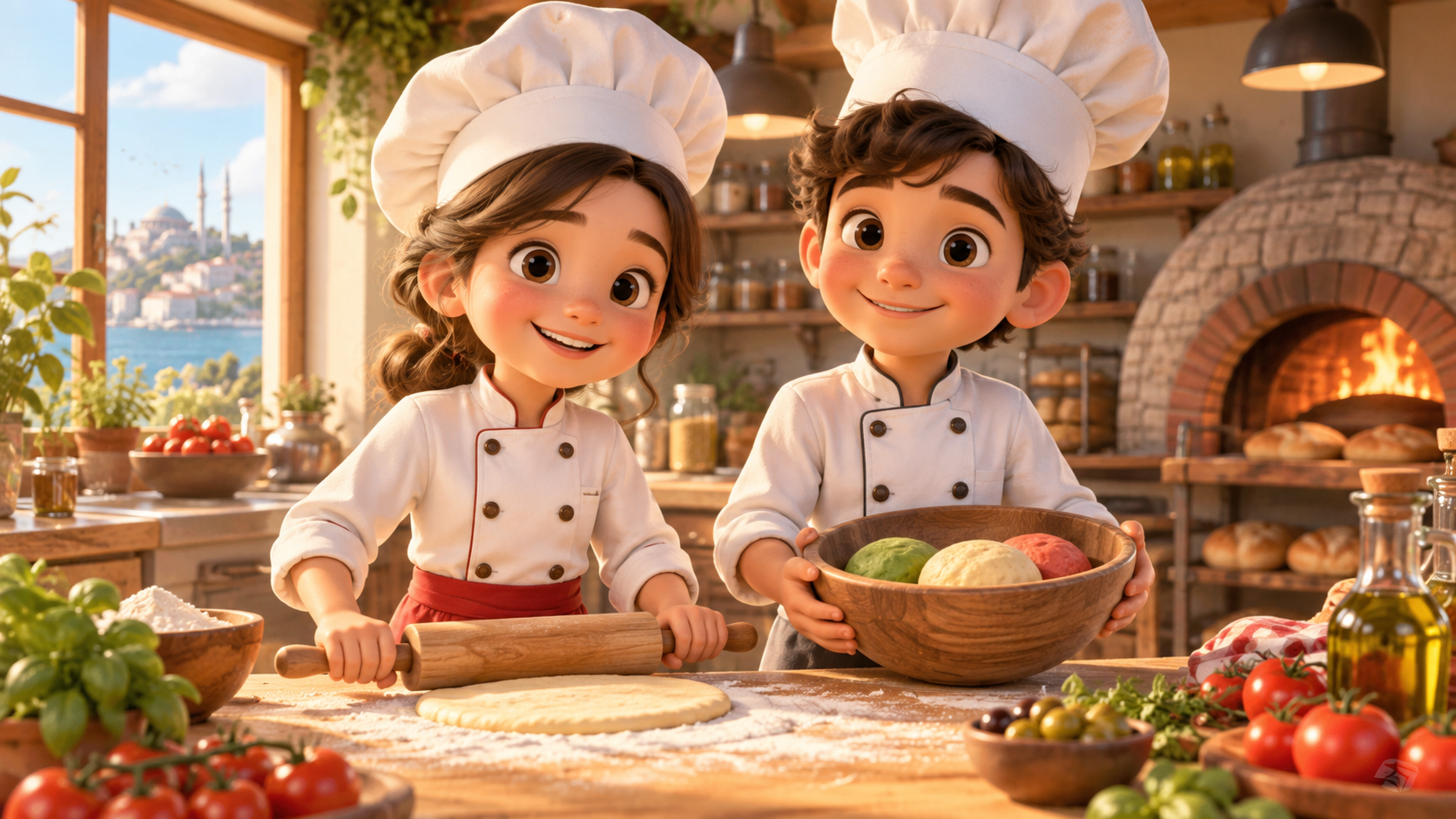
What Does a Chef Do? A Wholesome Culinary Guide for Young Children
The delightful aroma of freshly baked bread, colorful arrays of crisp vegetables, and simmering pots of savory soup—to a young child, the kitchen resembles an enchanting laboratory of flavors. Yet bubbling stoves, sharp utensils, and anxious warnings like “Watch out, don’t touch!” can sometimes turn the cooking space into a source of fear. Additionally, hesitancy around trying unfamiliar ingredients (food neophobia) is a common milestone in early childhood development.
In early childhood pedagogy, the culinary profession represents far more than meal preparation; it embodies sensory exploration, fine motor mastery, and shared generosity. Chefs are culinary artists and nutritional caretakers who combine nature’s ingredients to keep our bodies nourished and energized. This guide provides educators and parents with constructive methods to introduce the chef profession, safe sensory cooking games, and creative coloring tools to inspire positive food relationships.
What Does a Chef Actually Do? Artists of the Kitchen
When explaining the culinary arts to young children, go beyond the mechanics of heating food to celebrate the creativity and care involved:
- Inventing Flavor Harmonies: Chefs taste, smell, and combine various herbs and produce, creating visually inviting plates that delight both our eyes and palates.
- Fueling Growing Bodies: They understand nutritional balance, crafting wholesome recipes rich in vitamins that help children run fast, think clearly, and build strong bones.
- Maintaining Cleanliness and Order: Before cracking an egg or kneading flour, chefs wash their hands thoroughly and sanitize surfaces, ensuring that wholesome ingredients stay safe from harmful germs.
- Working in Cohesive Teams: In professional kitchens, chefs collaborate closely—some wash crisp greens, others manage oven timers, and leaders guide plating with mutual respect.
Cooking knows no gender boundaries. Women and men work side by side in professional kitchens worldwide, creating culinary wonders with equal passion and skill.
Overcoming Kitchen Hesitation and Selective Eating
Concerns about heat or resistance to trying new vegetables can be addressed with patient, sensory-based pedagogical guidance:
- Establish Clear Safety Boundaries: Instead of declaring “The kitchen is off-limits!”, set empowering parameters: “The hot stove belongs to grown-ups, but this counter is your workstation where you can whisk, mash, and shape.”
- Engage the Senses Before Tasting: If a child is reluctant to taste green produce, remove the pressure to chew. Invite them to feel the smooth peel of a zucchini, smell fresh mint leaves, or listen to the satisfying snap of a sugar snap pea.
- Empower Through Choice: Let your child choose between two healthy ingredients for a family dish. When children contribute to the preparation process, their willingness to try the final dish increases significantly.
Engaging Classroom and At-Home Activities
Children develop spatial awareness and hand strength through hands-on food exploration:
1. Roleplay Scenario: The Pretend Play Bistro
- Setup: Provide a paper chef hat and wooden utensils. Use modeling clay to represent pizza crusts, pasta ribbons, and garden herbs.
- Action: The child steps in as head chef, taking meal orders from parents or classmates. Assembling colorful pretend dishes builds descriptive vocabulary, social manners, and sequential thinking.
2. The Fruit Skewer Threading Activity
Provide blunt wooden craft sticks and pre-cut pieces of soft fruit like bananas, strawberries, and melon. Have the child thread the fruits to create repeating color patterns. This activity refines the pincer grasp, hand-eye coordination, and early mathematical patterning.
Color & Create: Free Profession Coloring Pages for Kids!
Creative art sessions offer the perfect pause for children to reflect on culinary discoveries. Bringing lively cooking scenes to life with crayons allows little learners to engage with wholesome food concepts in a playful, relaxed environment.
Explore our collection of free printable coloring sheets featuring joyful chefs in tall toques, bustling bakery kitchens, and vibrant vegetable baskets. Children can color aprons with dazzling patterns and decorate cakes with their favorite imaginary frostings!
👉 Click Here to Explore & Print Free Professions Coloring Pages
Set out the crayons, gather around the art table, and let your young chef strengthen fine motor skills while exploring the flavorful and caring world of community helpers!
Frequently Asked Questions (FAQ)
How can I safely include a 3-year-old in everyday kitchen tasks?
Focus on completely cold, heat-free activities. Tearing lettuce leaves, washing cherry tomatoes in a colander, and mashing soft avocados with a wooden spoon are safe and highly engaging for toddlers.
Why does wearing a chef hat enhance a child’s focus?
Dress-up costumes serve as symbolic anchors in child psychology. Putting on a toque signals a transition into an active helper role, boosting focus, emotional maturity, and self-confidence.
How should gender equality be discussed in culinary professions?
Point out that cooking is an essential human life skill, not an exclusively domestic chore. Share examples of both female and male executive chefs, highlighting that creativity, stamina, and culinary passion belong equally to everyone.