



Nature, Agriculture & Activities Guide
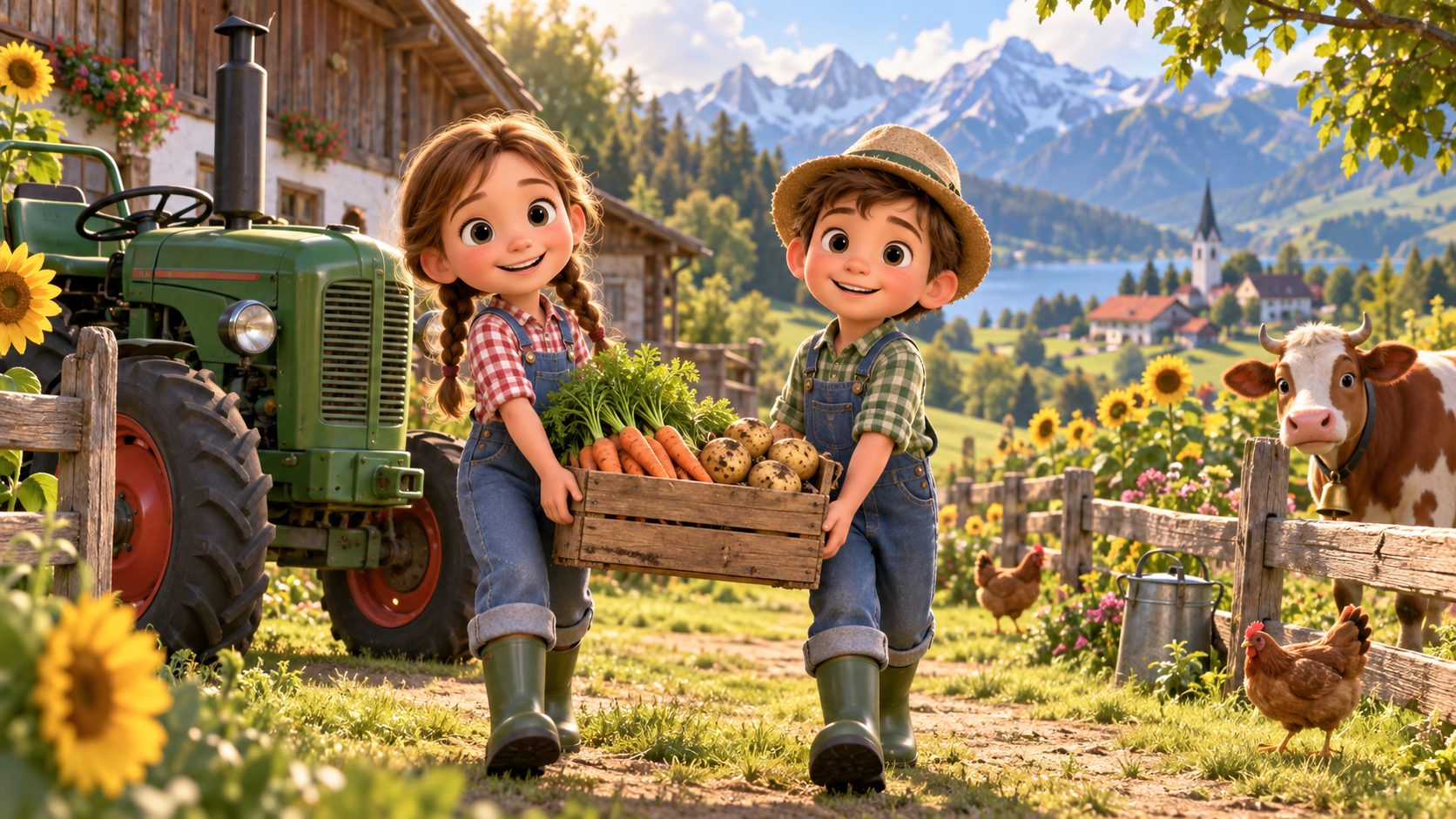
What Does a Farmer Do? A Gentle Nature and Agriculture Guide for Children
Crisp red apples, sweet baby carrots, wholesome oats, and fresh milk on the morning breakfast table—to many modern children, grocery stores seem like the magic birthplace of food. Bridging the gap between the grocery aisle and the living earth is one of the most enriching experiences of early childhood, laying the groundwork for mindful nutrition and environmental stewardship.
In early childhood pedagogy, farming represents patience, ecological balance, and attentive care for living things. Yet some young learners express hesitation around soil, sticky mud, or garden bugs. Transforming that apprehension into grounded curiosity is an empowering pedagogical goal. This guide offers educators and parents thoughtful ways to introduce the farming profession, simple at-home planting activities, and creative coloring tools to celebrate our food heroes.
What Does a Farmer Actually Do? Stewards of the Soil
When explaining agricultural life to preschoolers and young learners, tie their daily responsibilities directly to the healthy foods children recognize on their plates:
- Tending and Aerating the Soil: Farmers use tractors and plows to loosen earth, preparing cozy beds where tiny seeds can take root and find nourishment.
- Nurturing Plant Life: Just like children thrive on balanced care, crops need sunshine, clean water, and regular attention. Farmers monitor irrigation and shield plants from harmful weather.
- Caring for Farm Animals: They provide shelter, nutritious feed, and gentle medical care for dairy cows, sheep, free-range chickens, and farm dogs.
- Harvesting with Care: When fruits and grains reach peak ripeness, farmers harvest them gently, loading them onto delivery trucks destined for neighborhood markets.
Agriculture is thoroughly inclusive. Women and men work side by side operating computerized equipment, researching sustainable soil biology, and providing wholesome sustenance for communities worldwide.
Overcoming Soil Hesitation and Bug Fears
Worrying about getting dirty or encountering earthworms is a very common childhood phase. Gentle pedagogical re-framing dissolves these worries:
- Reframe Soil Positively: Avoid saying “Don’t touch that, it’s dirty!” Instead, say: “Garden soil is alive and full of nutrients that feed our strawberries. We can explore it together and wash our hands with soap when we are done.”
- Introduce Helpful Garden Helpers: Explain that earthworms and bumblebees are helpful garden partners. Earthworms dig underground air tunnels for roots, and bees carry pollen so fruit trees can bloom.
- Foster the Power of Patience: Emphasize that seeds grow gradually. This teaches emotional self-regulation and helps children appreciate that valuable things take dedicated time to mature.
Engaging Classroom and At-Home Activities
Direct sensory interaction with plant life turns abstract concepts into lifelong memories:
1. The Sprouting Bean Observation Lab
- Setup: Place damp cotton balls or a moist paper towel inside a clear glass jar or zip-seal bag. Rest dry kidney beans against the moist surface.
- Action: Tape the jar to a sunny window. Children use a small spray bottle to keep the moisture steady. Watching the root emerge downward and the green shoot reach upward mirrors the daily joy of a farmer.
2. Roleplay Scenario: The Neighborhood Farmer’s Market
- Setup: Provide a straw hat, a basket, and real or play produce. Set up a simple cardboard box as a country stand.
- Action: The child steps in as the market grower. Parents play the role of visiting shoppers asking: “How did you help these apples grow so shiny?” The child explains the roles of rain, soil, and sunlight, reinforcing natural science vocabulary through dramatic play.
Color & Grow: Free Profession Coloring Pages for Kids!
Creative art sessions allow young learners to absorb new knowledge while settling into a peaceful, focused headspace. After talking about the rhythms of nature, inviting your child to color agricultural scenes brings community helpers to life in a tangible way.
Our collection features charming scenes of cheerful growers, helpful tractors, friendly grazing animals, and sunlit fields. Children can color classic green tractors, bright orange carrots, and joyful sunflowers using their favorite shades.
👉 Click Here to Explore & Print Free Professions Coloring Pages
Lay out the coloring supplies, invite your little grower to the craft table, and celebrate the incredible people who care for the earth and nourish our families every day!
Frequently Asked Questions (FAQ)
My toddler refuses vegetables. Can learning about farming help?
Yes. Children who touch potting soil, plant seeds, and watch sprouts develop form an emotional attachment to produce. This experiential connection significantly lowers resistance to trying green vegetables at mealtime.
How can families in urban apartments teach farming?
Grow windowsill herbs like mint, basil, or microgreens in small pots. Visiting local weekend markets to talk with vendors about where crops were grown also provides wonderful real-world context.
Why is non-gendered representation important in agriculture?
Highlighting women and men equally as agricultural managers, tractor operators, and agronomists breaks outdated stereotypes. It shows children that outdoor physical competence and scientific stewardship belong to everyone.