


Role Guide, Overcoming Fear
What Does a Doctor Do? A Reassuring Health Guide for Young Children
Bright clinic lights, unusual instruments, and crisp white coats can make a visit to the doctor feel overwhelming for a young child. Too often, well-meaning caregivers mistakenly turn medical professionals into disciplinary threats—saying things like, “Be good, or the doctor will give you a big shot!” Such statements turn compassionate healers into figures of dread and fear.
In early childhood pedagogy, the medical profession should be introduced as a foundation of care, bodily curiosity, and safety. Doctors are not people who cause pain; they are trusted partners who help us grow strong, listen to our bodies, and support recovery when we feel under the weather. This comprehensive guide outlines pedagogical approaches to demystifying medical visits, fun roleplay scenarios, and creative coloring tools to foster trust.
What Do Doctors Actually Do? Body Detectives in Action
When explaining healthcare to preschoolers and early elementary students, avoid clinical vocabulary. Focus instead on relatable bodily milestones and observable diagnostic tools:
- Monitoring Growth and Wellness: Doctors examine us when we are healthy too! They measure how tall we have grown, check our balance, and celebrate how strong our muscles are becoming.
- Listening to Heart Rhythms: Using a special listening tool called a stethoscope, they tune in to the gentle, drum-like beats of our heart and the breezy sounds of our lungs.
- Guiding Healing: When tricky germs enter our system and cause a fever or sore throat, doctors prescribe gentle remedies, rest, and fluids to restore energy.
Medicine knows no gender barriers. Women and men work equally across all medical fields—from pediatrics and surgery to family medicine—working together with compassion and skill.
Overcoming White Coat Anxiety and Needle Fears
It is entirely natural for young children to feel hesitant before an exam. Parents and teachers can transform this hesitation into confidence through intentional communication:
- Be Honest and Calm: Avoid making unrealistic promises like “You won’t feel anything at all.” Instead, reframe procedures with gentle accuracy: “A vaccination feels like a quick pinch, like a tiny mosquito, but it gives your body an invisible superhero shield against germs.”
- Eliminate Fear-Based Threats: Never suggest that needles or checkups are consequences for misbehavior. Frame every medical tool as an ally designed to help children run, play, and thrive.
- Preview the Appointment: Walk through each step beforehand: “First, the doctor will peek in your ears with a tiny light, listen to your chest with a cool round tool, and then check your reflexes.”
Engaging Classroom and At-Home Activities
Transforming medical tools into play objects removes intimidation and builds cooperative social skills:
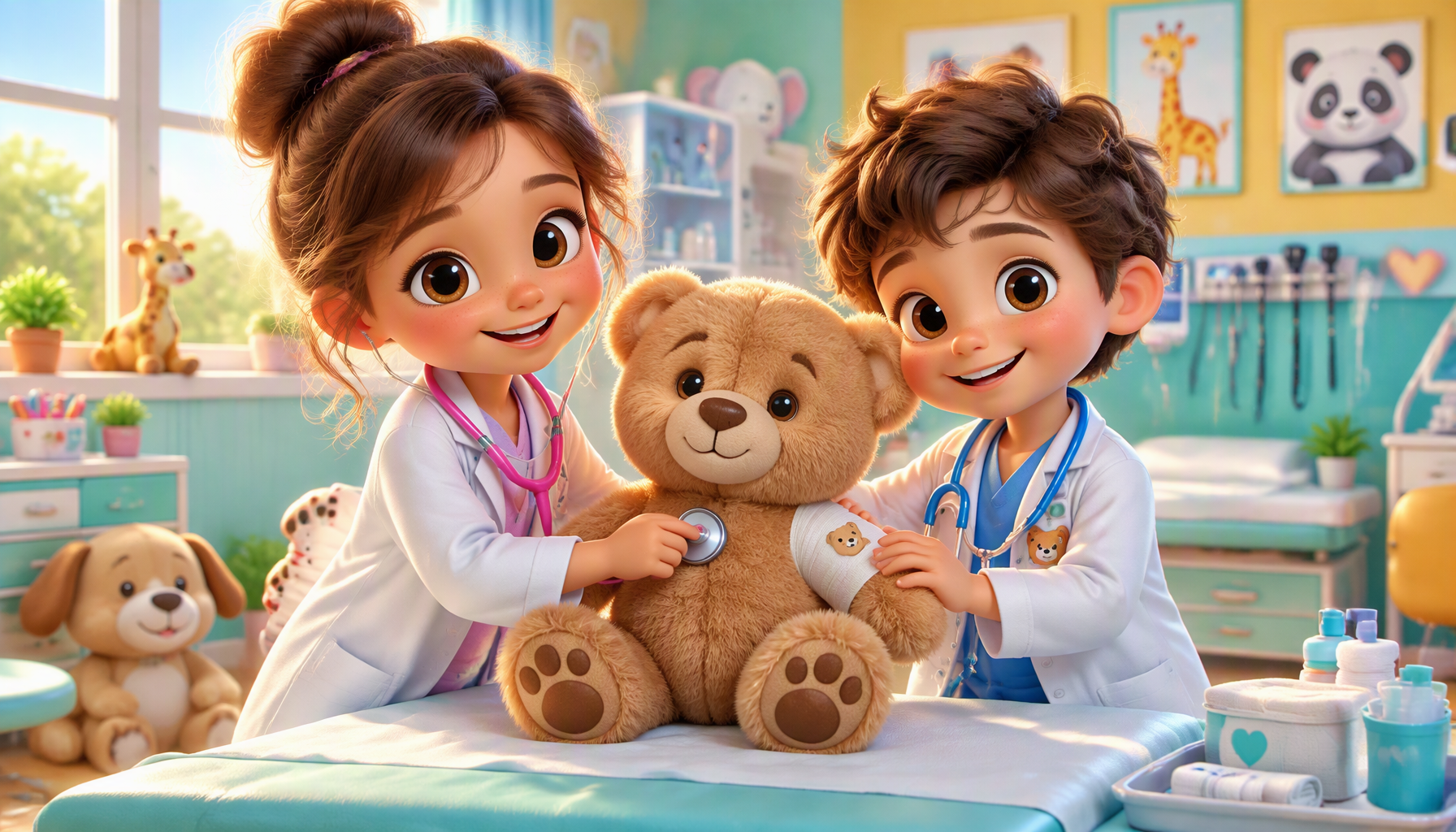
1. Roleplay Scenario: The Teddy Bear Health Clinic
- Setup: Provide a toy doctor kit or makeshift tools (a headband with a circular mirror, a clean craft stick for a tongue depressor). The adult brings in a “sick” stuffed animal.
- Action: The child steps into the physician role, checking Teddy’s heartbeat, applying a pretend bandage, and recommending plenty of water and rest. Reversing the role gives children a empowering sense of mastery over the clinical experience.
2. The Jumping Pulse Experiment
Have children place their hand over their chest while sitting quietly. Next, have them jump in place for thirty seconds and feel the rhythm again. This simple experiment demonstrates why doctors listen to chests and teaches basic bodily awareness.
Color & Heal: Free Doctor Coloring Pages for Kids!
Creative art sessions are one of the most effective ways for children to process feelings of uncertainty. Translating clinical themes into bright, customizable coloring sheets allows little learners to engage with health concepts on their own terms.
We invite you to explore our free printable doctor coloring pages, created to inspire confidence and imagination. Children can color friendly pediatricians, gentle care nurses, dynamic ambulances, and comforting clinical scenes.
- Turn a standard white coat into a masterpiece with bright polka dots or stars!
- Color a shiny stethoscope with dazzling rainbow hues.
- Add friendly smiles to every patient waiting in the playroom.
Beyond dispelling anxiety, coloring exercises essential developmental skills such as bilateral hand control, finger strength, and mindful focus. Download your favorite template today, lay out the art supplies, and turn medical curiosity into a joyful, colorful afternoon!
👉 Click Here to Explore & Print Free Doctor Coloring Pages
Frequently Asked Questions (FAQ)
What if my child cries whenever the stethoscope touches their chest?
Explain that the metal disc can feel a little cool. Warm up a toy stethoscope or the back of a spoon with your hands beforehand, practicing gentle touches on dolls or your own arm to desensitize the sensory surprise.
How can I prepare my toddler for routine vaccination appointments?
Keep your own body language relaxed, as toddlers mirror parental stress. Bring along a favorite comfort blanket or plush toy, hold them securely in your lap during the administration, and provide immediate warm snuggles afterward.
Why is non-gendered representation critical when teaching children about medicine?
Exposing children to women and men equally as physicians, surgeons, and nurses removes restrictive stereotypes. It inspires young girls and boys alike to envision themselves as skilled healers, scientists, and caretakers of their communities.

Comments (0)